
Diseases
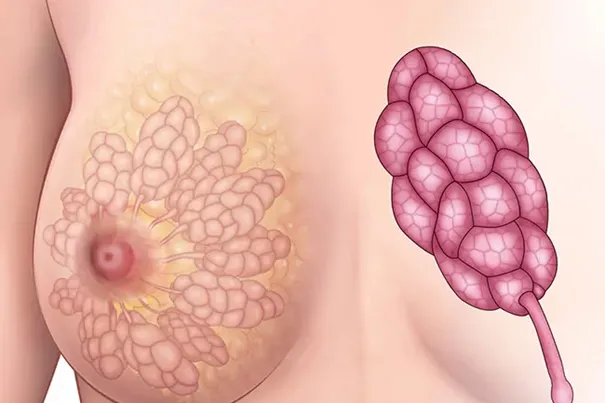
Breast engorgement: understanding the condition to avoid it
Some women are prone to breast engorgement at the beginning of breastfeeding or during a period without breastfeeding. The milk no longer flows because inflammation of the breasts compresses the milk ducts. This can cause discomfort and pain in the b
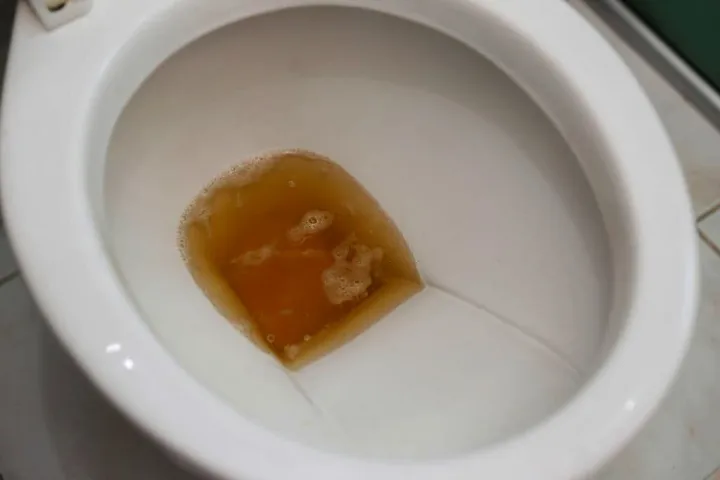
Frothy urine: it hides pathologies
Urine can reveal a person's state of health. Therefore, always check the colour and appearance of the urine. Sometimes the urine becomes foamy. Is this a sign of any disease?

Practical ways of overcoming high blood pressure
Having high blood pressure is by no means a handicap in everyday life. However, it does require a change in eating habits and the adoption of certain lifestyle rules.

Alcohol affects the lungs
The effects of excessive alcohol consumption on health are well known to the general public. What is less well known, however, is that it can also increase the risk of lung infections. Researchers have now examined its effects on the
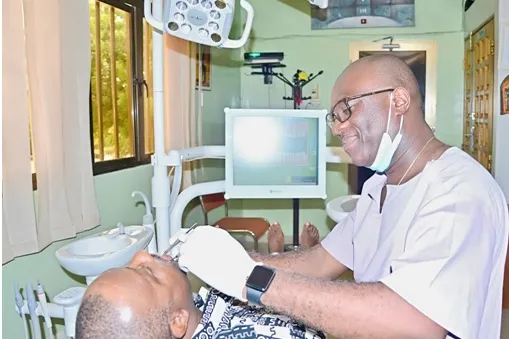
How often should I see my dentist ?
Regular dental appointments are essential if you want to maintain good oral health. How often should I go for a check-up ?
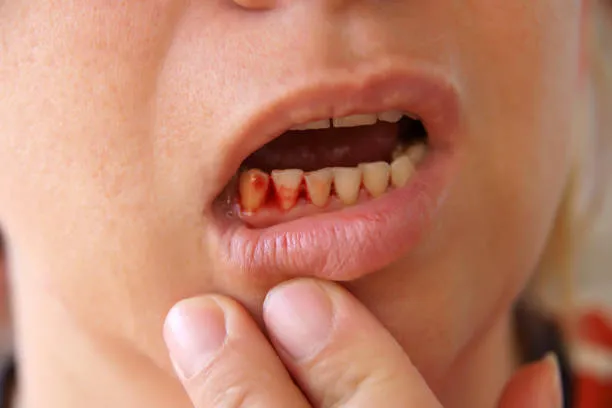
Bleeding gums: causes and treatments
Healthy gums are pink and do not bleed. Bleeding gums are common. It should not be neglected if it is chronic, as it can lead to or reveal periodontal disease

Tooth loss : Warning signs
The periodontium is a part of the dentition made up of supporting bones, tissues, fibres and gums.
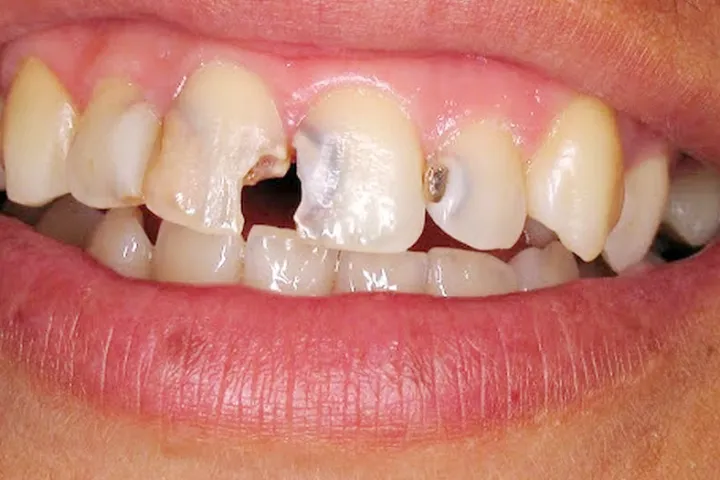
Cavities, gingivitis, abscesses: taking action against oral infections
The two most common dental diseases, caries and periodontal disease, are caused by bacterial infection. But they are not the same thing. You can have cavities without periodontal disease, or vice versa. If left untreated, they can lead to sometimes

How often should I see my dentist?
Regular dental appointments are essential if you want to maintain good oral health. How often should I go for a check-up?

Hypoglycemia: warning signs
Hypoglycemia is defined as a drop in the level of sugar, i.e. glucose in the blood, with or without symptoms. When a blood test is done, the blood glucose level is below 0.6 grams per liter (g/l) or 3.3 mmol per liter. The threshold of perception of